1956–2026 – Commemorative concert to mark the 70th anniversary of the 1956 revolution
BEETHOVEN: Egmont Overture, Op. 84
LÁSZLÓ DUBROVAY: 1956
LISZT: Hungarian Fantasia
KODÁLY: Psalmus Hungaricus, Op. 13
István Kovácsházi tenor, János Balázs piano, Cantemus Choir (choir master: Soma Szabó)
Conductor: András Keller
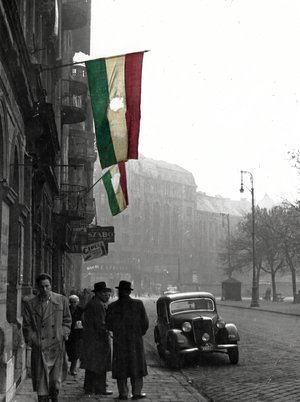
This commemorative concert honouring the 70th anniversary of the 1956 revolution and fight for freedom – conducted by Kossuth Prize-winner András Keller – will also begin with a work by Beethoven, the special focus of this season. The piece was created as incidental music for Goethe’s drama about the story of Egmont, a 16th-century Dutch count who fought against foreign oppression until his own downfall. The overture of this work became a symbol of freedom in Hungary almost a century and a half after its 1810 premiere: during the 1956 revolution, no piece of music was broadcast more often by Hungarian Radio. – László Dubrovay composed his large-scale work 1956, which the Kossuth Prize-winning composer labelled as “symphonic pictures for a reciter and orchestra”, for the 50th anniversary of the revolution.
Based on poems by Tibor Gyurkovics, it evokes the events and emotional world of the revolution. – Liszt premiered his virtuoso piano concerto Hungarian Fantasy in the city of Pest in 1853. For the work, he adapted material from folk tunes, verbunkos melodies, and dances popularised by Gypsy musicians. Playing the solo part this evening will be Kossuth Prize-winning pianist János Balázs.
The sublime and painful mood of the Psalmus Hungaricus, or the ‘Hungarian Psalm’, which Kodály wrote on the occasion of the 50th anniversary of the unification of Pest, Buda and Óbuda at the request of the capital city council, is perfectly suited to this day of remembrance.
The work is based on a paraphrase by the 16th-century Protestant hymnist Mihály Kecskeméti Vég of the 55th Psalm from the Old Testament, the prayer for deliverance that King David, in his anguish, issued to God. Singing the solo part of this work at the commemorative concert will be the Liszt Award-winning singer István Kovácsházi.