BEETHOVEN: Choral Fantasy, Op. 80
BEETHOVEN: Symphony No. 8 in F major, Op. 93
BEETHOVEN: Triple Concerto in C major, Op. 56
BEETHOVEN: Symphony No. 4 in B-flat major, Op. 60
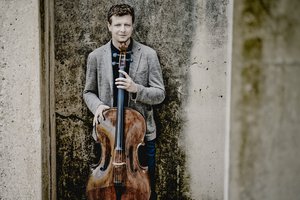
István Várdai cello, Amira Abouzahra violin, Mihály Berecz piano
Conductor: András Keller

This year’s Concerto Budapest season trains the spotlight on Beethoven, and this evening András Keller will conduct four of his works. The first, the Choral Fantasy, is a uniquely structured piece that the author composed at the last minute as a kind of concluding piece to his marathon-length Viennese benefit concert in 1808.
The work, written for solo piano, choir and orchestra, combines elements of a piano concerto, a symphony and a choral work. An interesting aspect is the melody that repeatedly appears in it; one that later evolved into the Ode to Joy in the Ninth Symphony. The solo piano part, which Beethoven improvised at the premiere, will be played here by Mihály Berecz.
The Eighth Symphony (in F major), written in 1812, differs from its heavily dramatic counterparts in being one of Beethoven’s most cheerful and lively works; evocative and rich in contrasts, it is distinguished by the exceptional perfection of its orchestration. In response to its initial lukewarm reception, the composer simply remarked, “You will come to it like it one day.”
The Triple Concerto in C major, completed in 1805, is another of Beethoven’s most unique works, with a piano trio (here made up of Mihály Berecz on piano, István Várdai on cello and Amira Abouzahra on violin) acting as soloists opposite the orchestra, making it a late, monumental example of the sinfonia concertante genre.
Beethoven’s Symphony No. 4 in B major, written in 1806 between the powerful Third (‘Eroica’) and iconic Fifth (‘Fate’) symphonies, resembles the Eighth in its Classical-style serenity. Schumann aptly described the work as “a slender Greek maiden between two Norse giants”. Its characteristic elegance, humour, and rhythmic playfulness make it far removed from the drama of the Eroica.